


Press Release| 10 October 2026
Corporate Social Responsibility (CSR) initiatives are helping improve rural incomes, strengthen water security and expand livelihood opportunities, according to a new study by CSR consulting and monitoring firm SoulAce. However, limited outreach to remote communities, inadequate market linkages and challenges in sustaining enterprises beyond project periods continue to constrain their impact.
The report, The Impact of CSR Initiatives on Sustainable Rural Livelihoods, draws on more than 100 CSR impact assessment studies conducted by SoulAce during the financial year 2024–25. It examines interventions across rural households, young people, women’s Self-Help Groups (SHGs), and tribal and remote communities.
The findings highlight how corporate funding, technical expertise and long-term field partnerships can complement government initiatives to strengthen rural livelihoods. Companies have invested in climate-resilient agriculture, water conservation, livestock-based enterprises and Farmer Producer Organisations (FPOs), with programmes supporting market access, value addition and women-led businesses.
“The focus on CSR is shifting towards livelihood resilience and climate readiness,” said Adarsh Kataruka, managing director of SoulAce, adding that initiatives in agriculture, watershed management and dairy farming are contributing to more inclusive and resilient rural growth.
Farm incomes rise as agricultural support expands
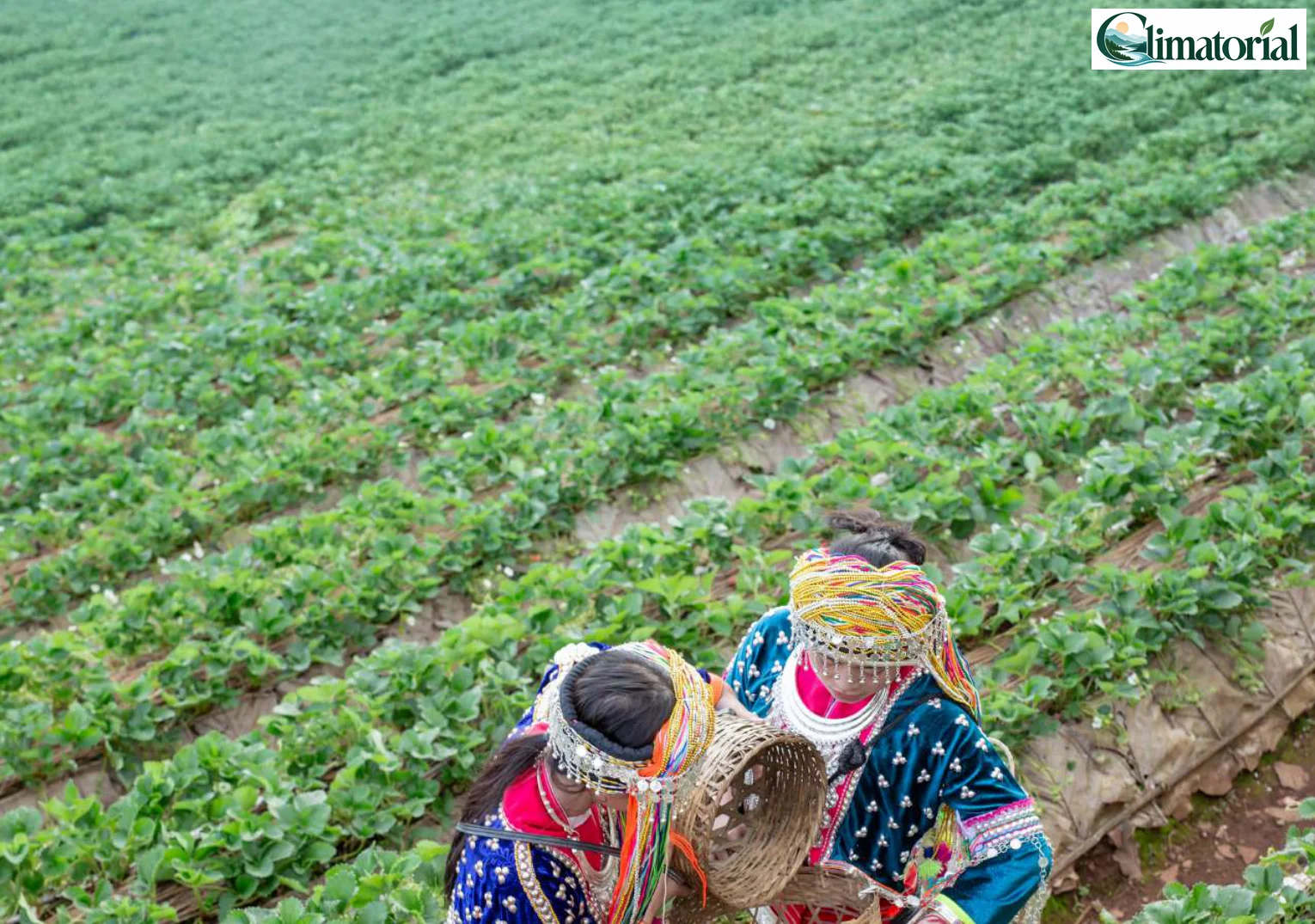
Agriculture-focused CSR programmes are reporting gains in household earnings, productivity and environmental sustainability through farmer training, financial inclusion, women’s empowerment, veterinary services and sustainable farming practices.
According to the report, average monthly income from agriculture and allied activities increased by 75%, driven by improved yields and direct market access.
Women’s participation in livelihood activities also increased, with active involvement rising from 18% to more than 60%. The report attributes these gains to greater leadership opportunities in SHGs and improved access to digital finance.
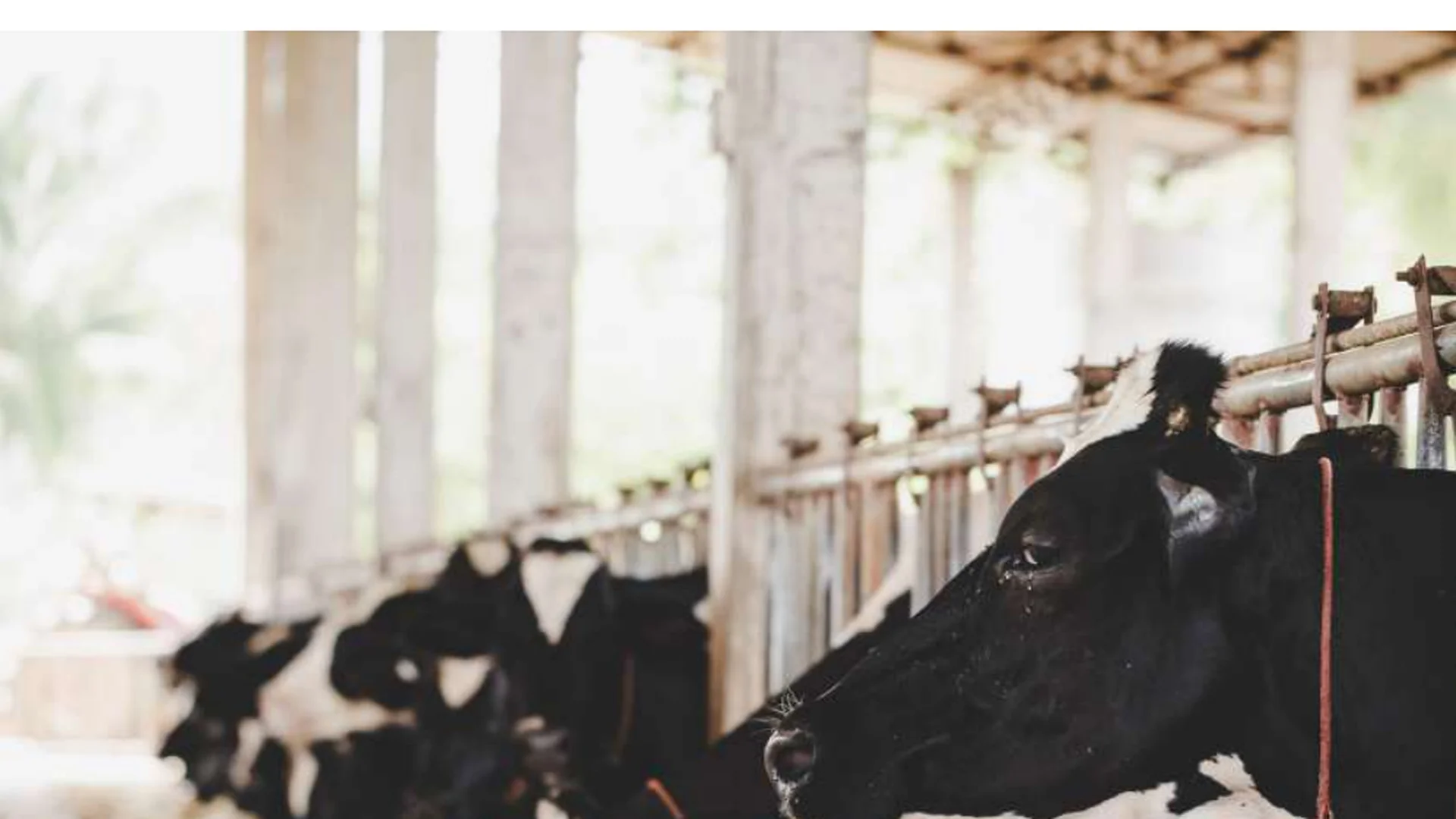
Animal health services recorded improvements as well. Coverage of artificial insemination and veterinary services increased from less than 20% to nearly 70%, helping reduce disease incidence, the report said.
These findings point to the role of integrated livelihood programmes that combine agricultural productivity with access to services, financial resources and markets.
Watershed projects strengthen water security
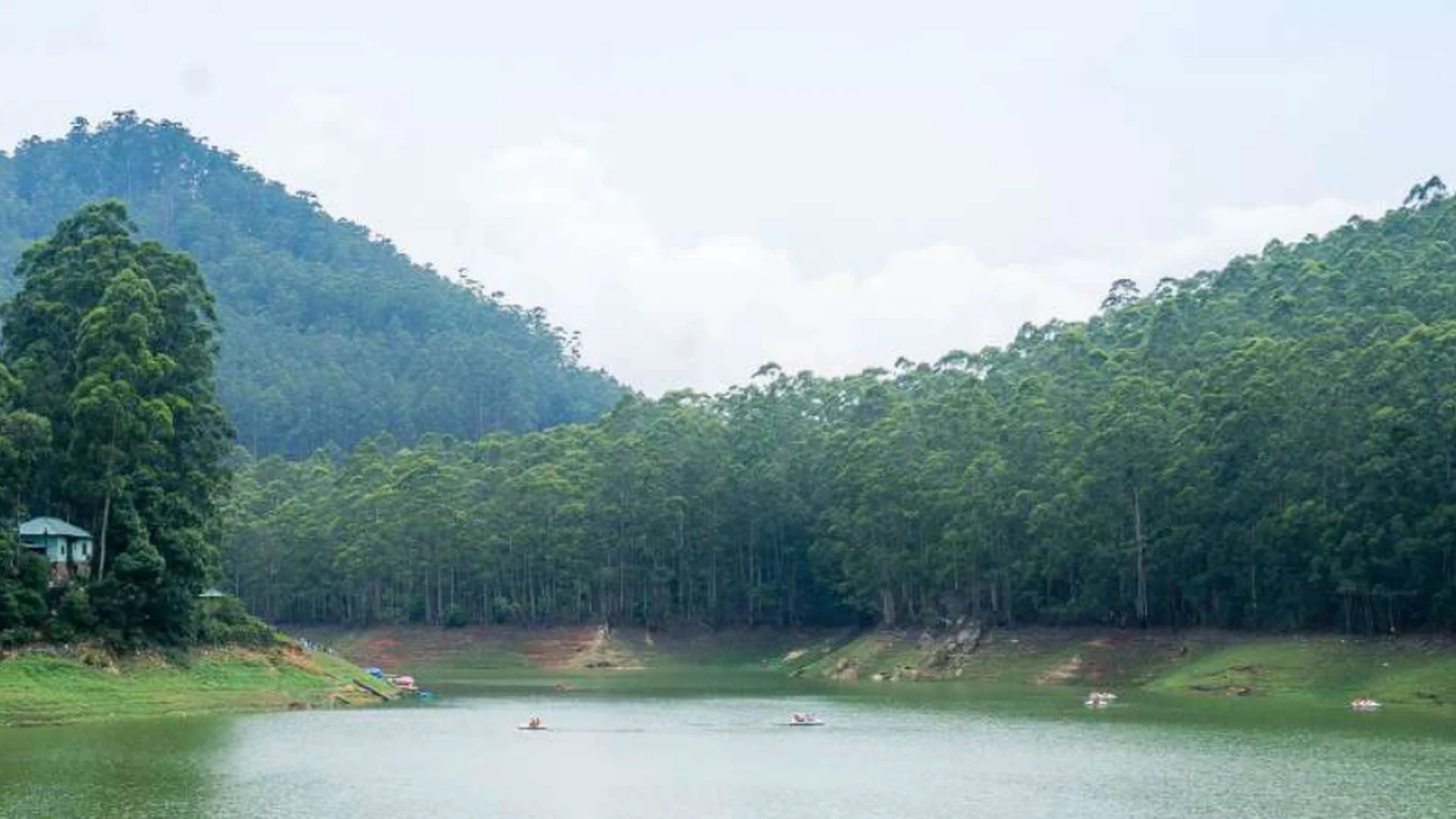
Watershed management emerged as another important component of sustainable rural livelihoods. Such interventions aim to improve water availability, soil health and agricultural productivity while supporting environmental conservation and climate resilience.
The report found that groundwater levels increased by 3–5 metres in treated watersheds. It also reported that 75% of villages formed active water-user groups and SHGs to manage water resources sustainably.
Conservation measures reduced soil erosion by approximately 30%, according to the study.
These indicators suggest that community participation and natural-resource management can be important elements of rural development programmes. Reliable water supplies and healthier soils can support agricultural activity, although the long-term durability of these gains depends on continued maintenance and effective local governance.
Skills training creates new livelihood opportunities
CSR-funded skill development programmes are also contributing to rural employment and enterprise creation by combining training with market linkages, financial inclusion and sustainable practices.
On average, 68% of farmers who received training reported a 30–40% increase in annual income. Nearly 55% of beneficiaries reported securing self-employment or wage employment, reducing their dependence on traditional low-paying jobs.
The report presents these outcomes as evidence of the potential of agri-enterprise development to diversify rural income sources and strengthen local economies.
However, training alone may not be sufficient to sustain these gains. Access to credit, dependable markets and continued institutional support remains important for enterprises to survive beyond the initial project period.
Remote communities remain underserved
Despite the reported improvements, SoulAce identified several persistent challenges in the design and implementation of CSR livelihood programmes.
These include limited outreach to tribal and remote communities, the concentration of CSR initiatives in a few states, weak access to finance and inadequate market linkages. Many SHGs and FPOs continue to face difficulties maintaining their enterprises after project support ends.
The report also flags weaknesses in monitoring and evaluation frameworks, which often fail to capture long-term behavioural change, climate adaptation and the sustainability of livelihood outcomes.
These gaps raise questions about how CSR programmes measure success. Short-term increases in income or participation may not, by themselves, establish whether communities can withstand climate-related shocks, maintain businesses independently or sustain improvements in natural resources over time.
A stronger focus on long-term monitoring, financial access, market integration and support after project completion could help address these challenges.
From project delivery to lasting resilience
The findings underline the potential of CSR to complement public development programmes, particularly when interventions integrate livelihoods, environmental conservation and community participation.
For rural communities facing pressure from changing weather patterns, uncertain agricultural returns and limited economic opportunities, climate resilience is closely connected to the ability to secure water, maintain productive land, access markets and diversify incomes.
The report points to opportunities for companies to make CSR investments more strategic and collaborative, with greater attention to underserved communities and the continuity of enterprises beyond funded project cycles.
Whether the reported gains translate into lasting resilience will depend on how consistently these programmes address structural barriers and measure outcomes over time.
 Continue With Google
Comments (0)